


Conventional Racking System & Multi-Warehouse Management: 2025 Industry Update
 2026.04.15
 ข่าวอุตสาหกรรม
The Role of Conventional Racking Systems in Modern Warehouses
For decades, the conventional racking system has formed the backbone of industrial storage operations worldwide. Built around a straightforward principle—vertical upright frames connected by horizontal load beams—selective pallet racking provides direct access to every stored unit without requiring adjacent loads to be moved. This accessibility, combined with low implementation cost and modular design, made it the default solution for warehouses managing diverse SKU inventories across virtually every industry.
In practice, a well-configured conventional racking system enables warehouses to fully exploit vertical space, often reaching heights of 10 to 12 meters with standard reach trucks, and significantly higher in automated configurations. The open-aisle layout supports both forklift and manual picking operations, and the adjustable beam positions allow reconfiguration as product dimensions change. According to industry data, selective pallet racking accounts for more than 60% of all installed warehouse storage globally—a figure that reflects both its versatility and its proven track record.
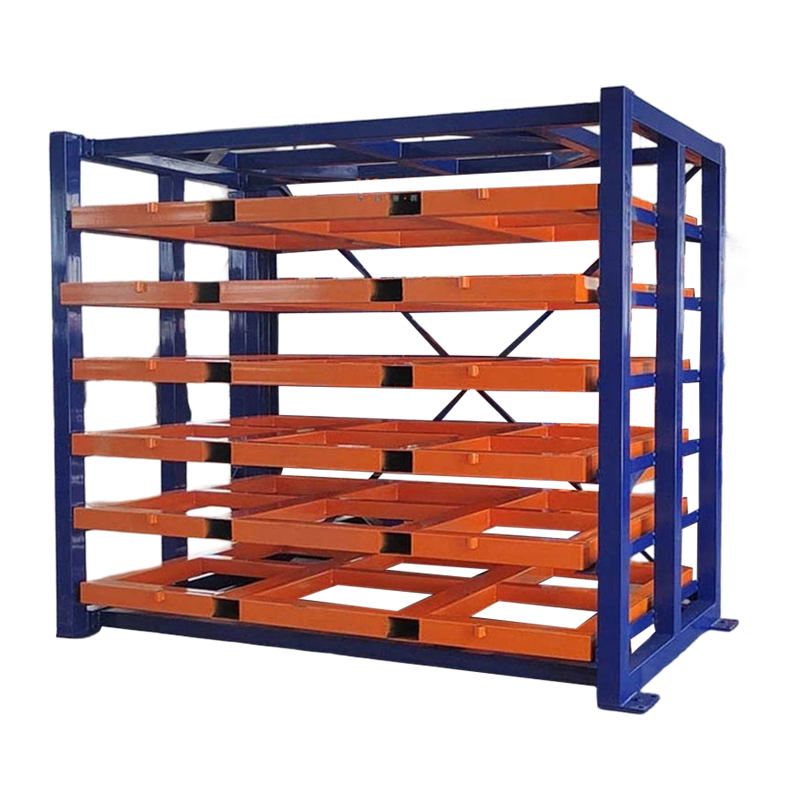
In the metal processing sector specifically, conventional racking has long served as the primary storage format for sheet panels, structural profiles, and semi-finished components. Its ability to accommodate variable load sizes and weights—from lightweight aluminum sheets to heavy steel plate stacks—makes it a practical baseline solution for facilities handling mixed material inventories.
Yet as industrial operations have grown more complex and geographically distributed, the limitations of conventional racking are becoming increasingly visible—particularly for companies managing storage across multiple warehouse locations simultaneously.
Key Limitations When Scaling to Multi-Warehouse Operations
The transition from a single-facility operation to a multi-warehouse network exposes structural weaknesses in conventional racking systems that are not apparent at smaller scale. These limitations fall into three primary categories: inventory visibility, operational consistency, and space utilization efficiency.
Inventory visibility is the most immediate challenge. In a conventional racking setup, stock locations are typically recorded manually or through basic barcode scanning—systems that function adequately within a single building but break down across distributed sites. When the same SKU is held in three separate facilities, real-time reconciliation requires either sophisticated middleware or constant manual synchronization. Without it, facilities routinely experience overstocking at one location while shortages develop at another, leading to unnecessary inter-warehouse transfer costs and delayed order fulfillment.
Operational consistency presents a second layer of difficulty. Conventional racking configurations are often adapted organically over time—beam positions changed, aisle widths narrowed, temporary overflow zones created—resulting in layouts that differ between facilities even when originally specified identically. When warehouse staff rotate between locations, or when centralized planning teams attempt to model throughput across sites, these inconsistencies introduce errors that compound at scale.
Space utilization is the third constraint. Conventional racking, by design, requires dedicated access aisles that consume 40–50% of total floor area in a typical warehouse layout. Across a multi-warehouse network, this inefficiency is multiplied: a company operating four facilities, each with 5,000 square meters of floor space, may be paying for the equivalent of 8,000–10,000 square meters of aisle space that generates no productive storage capacity. As industrial real estate costs have risen sharply in major logistics markets, this structural inefficiency has become a significant financial liability.
What Multi-Warehouse Management Requires from Storage Infrastructure
Effective multi-warehouse management is not primarily a software problem—it is an infrastructure problem that software alone cannot solve. A warehouse management system (WMS) can only generate accurate real-time data if the physical storage infrastructure is capable of capturing and reporting that data reliably. This dependency has become the central challenge for industrial operators attempting to modernize multi-site operations built on legacy conventional racking.
Three infrastructure requirements are now considered standard for facilities integrating into a multi-warehouse management framework:
- Standardized storage locations: Every storage position must carry a unique, machine-readable identifier that maps directly to the WMS database. In conventional racking, this is achievable through barcode labeling or RFID tagging, but implementation accuracy depends heavily on consistent racking geometry—something that ad-hoc configurations cannot guarantee.
- Automated transaction recording: Manual stock movements—picking, putaway, transfers—introduce data lag and error rates that make cross-warehouse inventory balancing unreliable. Facilities targeting sub-1% inventory discrepancy rates, which is the minimum threshold for effective multi-site management, require automated transaction recording at every storage interaction point.
- Load verification at input: Weight and dimensional verification at the point of storage—not only at receiving docks—eliminates a major source of downstream discrepancy. Without load-level data at the rack position, a WMS cannot distinguish between a full pallet, a partial pallet, and an empty location.
For a deeper examination of how automated systems address security and data integrity requirements across these parameters, refer to the detailed analysis of how secure automated storage systems are in multi-facility environments.
Intelligent Storage Systems: Bridging the Gap for Metal Processing Facilities
The industrial storage sector has responded to these multi-warehouse management demands with a generation of intelligent systems that address the limitations of conventional racking at the hardware level—not through software workarounds. For metal processing facilities in particular, where material dimensions are large, load weights are high, and retrieval precision is operationally critical, this hardware-first approach has produced measurable results.
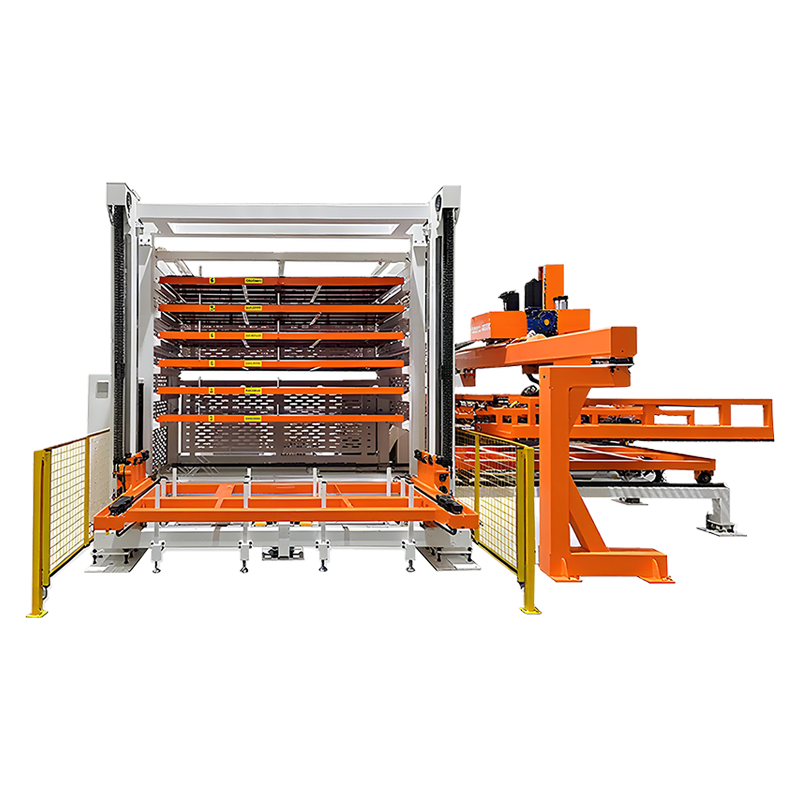
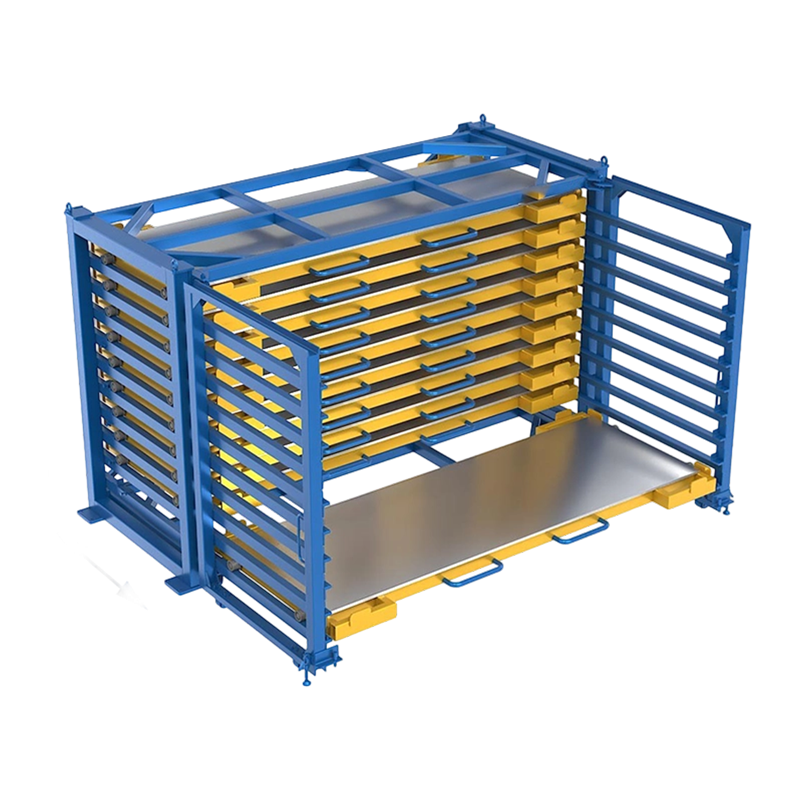
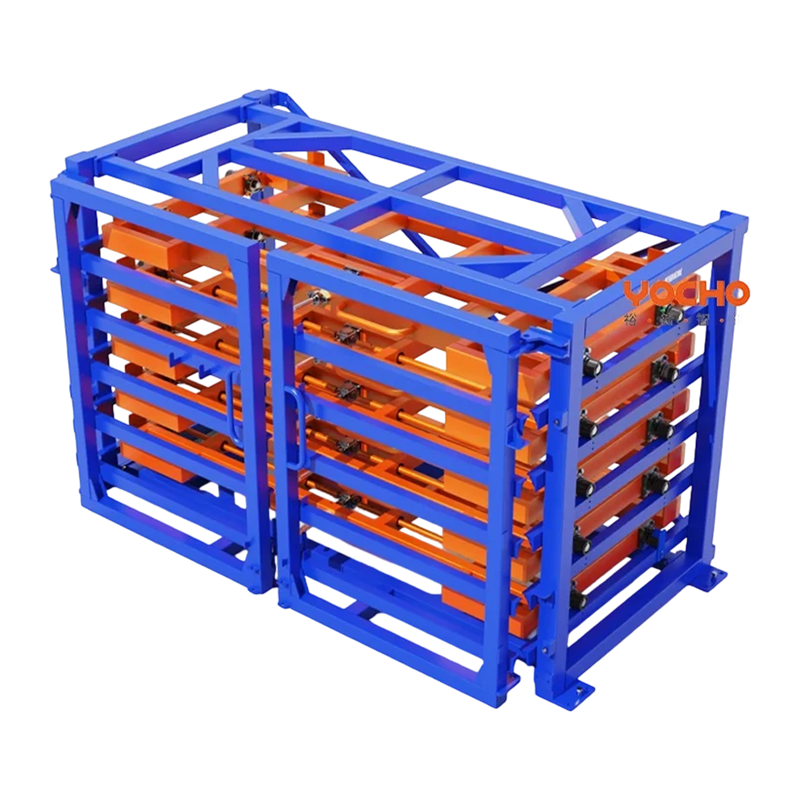
Automated sheet metal storage systems represent the clearest example of this transition. Unlike conventional racking, where sheet panels must be manually lifted and positioned—a process that is both labor-intensive and prone to surface damage—automated systems use servo-driven extraction mechanisms to retrieve individual sheets or stacks from high-density vertical towers. Each retrieval event is logged in real time, and weight sensors at every storage cassette provide continuous load verification. The result is a system that not only stores more material in less floor space (density improvements of 60–80% over conventional layouts are routinely documented), but that also generates the data streams required for accurate multi-warehouse inventory management.
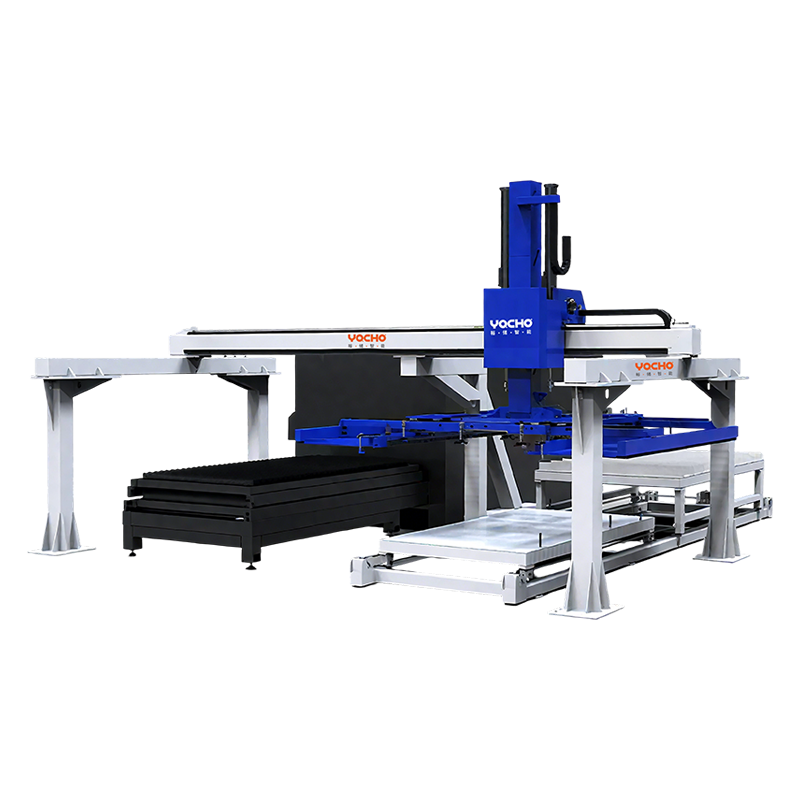
For facilities where material flow between storage and production equipment is a bottleneck, intelligent loading and unloading manipulators address the transfer problem directly. By automating the handoff between storage systems and CNC cutting machines, laser processing equipment, or press lines, these systems eliminate the manual handling step that accounts for the largest share of cycle time variability in conventional workflows. In multi-warehouse contexts, this automation also provides granular throughput data—material consumed per shift, per machine, per production order—that feeds directly into cross-facility demand planning.
The combined architecture of automated storage and intelligent material handling creates what is effectively a self-reporting warehouse infrastructure: a physical system that continuously generates the inventory data required for effective multi-warehouse management, without relying on manual input from warehouse operators.
Upgrading Your Warehouse: Steps to Transition from Conventional to Smart Storage
For industrial operators currently running conventional racking across multiple facilities, the path to intelligent multi-warehouse management does not require a complete simultaneous overhaul. A phased approach—structured around measurable milestones rather than full-facility replacement—has proven more practical and delivers earlier return on investment.
Phase 1: Baseline assessment. Before specifying any new storage equipment, document the actual performance of existing conventional racking across all facilities: storage density (pallets or material weight per square meter of floor space), inventory accuracy rate, average pick cycle time, and labor cost per material movement. This baseline establishes the performance gap and provides the comparison data needed to evaluate upgrade ROI.
Phase 2: Identify the highest-impact upgrade zone. In most multi-warehouse metal processing operations, a single material category—typically cut-to-size sheet panels or structural tube stock—accounts for a disproportionate share of handling labor and inventory discrepancies. Targeting intelligent storage deployment at this category first concentrates the performance improvement where it is most visible, while containing initial capital outlay.
Phase 3: WMS integration before hardware installation. Connecting WMS software to the new storage system before physical installation is complete allows the data architecture to be validated before it carries operational load. This sequencing catches integration issues—data format mismatches, location coding errors, ERP synchronization latencies—when they are inexpensive to correct, rather than after commissioning.
Phase 4: Standardize across sites. Once the upgraded facility demonstrates stable performance data, the configuration—storage system specifications, WMS location schema, handling protocols—can be replicated across remaining facilities with significantly reduced engineering effort. Standardization is the mechanism by which multi-warehouse management delivers its full value: uniform data, comparable performance metrics, and centralized control across every location in the network.
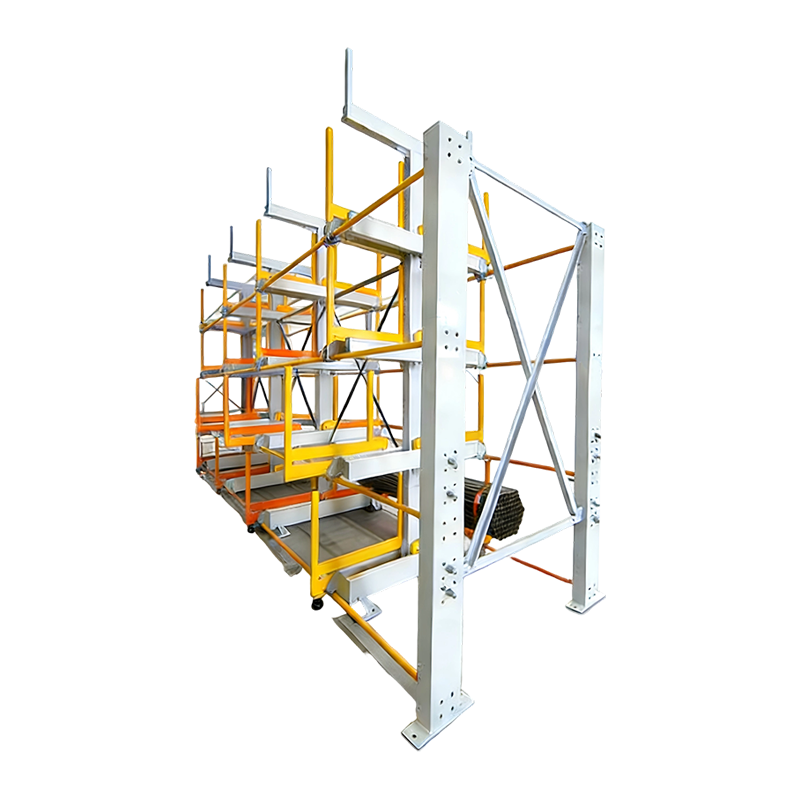
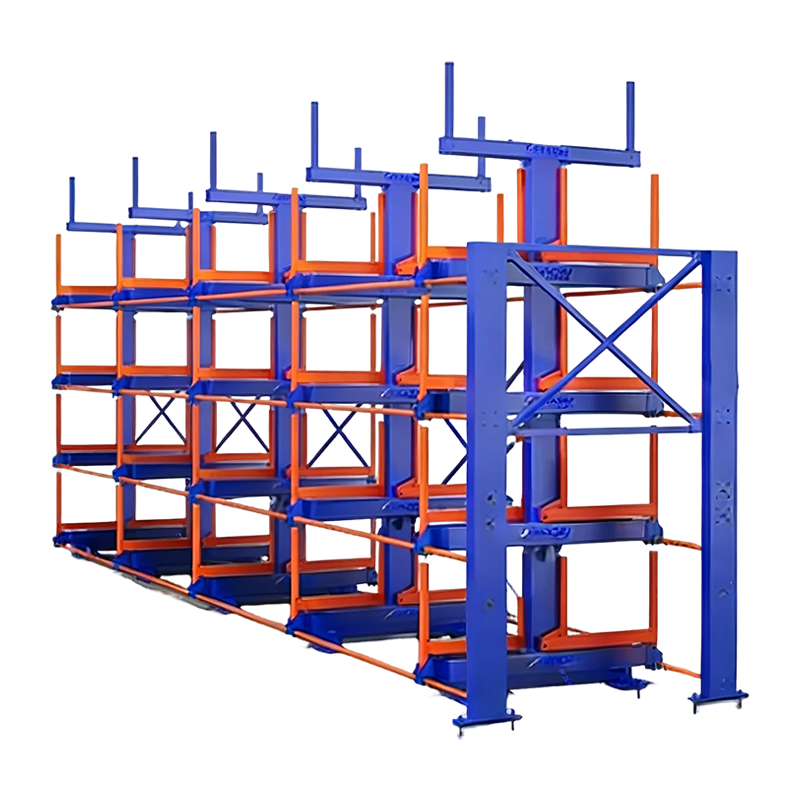
For facilities at any stage of this transition—from initial assessment through multi-site standardization—the full range of warehouse storage solutions available from Yocho covers the hardware requirements at each phase, with OEM configuration options for facilities with non-standard material dimensions or production layouts.

หากคุณสนใจในผลิตภัณฑ์ของเรา โปรดปรึกษาเรา
สินค้า
ศูนย์ข่าว
เทอร์มินัลมือถือ

ติดต่อเรา
- ที่อยู่: ห้อง 205 อาคารสำนักงาน Shandong Yurui Machinery Group Co., Ltd. ที่สี่แยกถนน Banqiao และถนน Huangjin ถนน Pingyi อำเภอ Pingyi เมือง Linyi มณฑลซานตง
- โทรศัพท์: +86-19819101584
- อีเมล์: [email protected]
Linyi Yocho Storage Intelligent Manufacturing Co.,Ltd. สงวนลิขสิทธิ์ สงวนไว้ทั้งหมด ผู้ผลิตชั้นวางคลังสินค้า โรงงานชั้นวางโกดัง
